As an Amazon Associate, I earn from qualifying purchases. Price snapshots refreshed weekly from public retailer pages.
V VitFacts.com

Skincare Comparison

Sunscreen, ranked by what actually protects your skin.

SPF number alone tells you nothing about UVA protection. A sunscreen labeled "SPF 50" can have a UVA-PF of 8 (basically UVB-only) or 46 (Mexoryl 400 — the deepest UVA1 covered). This page ranks 11 popular sunscreens on the metric that actually matters: balanced UVA/UVB protection, water resistance, filter chemistry, and price per ml.

Last updated: August 23, 2026 · Sources: Mexoryl 400 patent 2020, EU COLIPA 1/3 ratio, TGA Australia sunscreen standard, Diffey 2001 critical wavelength

At a glance

Best UVA protection

La Roche-Posay Anthelios UVMune 400 SPF 50+

~$22 USD, 50ml. PPD 46 — Mexoryl 400 covers up to 400nm UVA1, the deepest-penetrating UV. The only consumer sunscreen with proven long-wave UVA1 coverage.

Best budget mineral

CeraVe Hydrating Mineral SPF 30

~$16 USD. 17% zinc oxide + 5% titanium dioxide. Reef-safe, ceramide base, suitable for sensitive and eczema-prone skin. White cast is the trade-off.

Best lightweight for makeup

The Ordinary UV Filters SPF 45 Serum

~$13 USD, 30ml. PPD 22 — above EU 1/3 ratio. The serum texture layers under makeup without pilling. Not water-resistant.

Product comparison

Compare 11 popular broad-spectrum sunscreens on filter type, SPF level, UVA-PF (PPD), filter actives, water resistance, and reef safety. UVA 5/5 = strongest measured PPD (≥30). Evidence 5/5 = regulatory-grade photoprotection testing.

Brand / Product Filter type SPF UVA-PF Format Water-resistant Reef-safe UVA Evidence Price (date) TH Vegan
Chemical (organic) SPF 50+ PPD 46 (UVA-PF 46) — Mexoryl 400 covers up to 400nm Fluid ✓ 80 min 5/5 5/5 $22.00 2026-08-07
Chemical (organic) SPF 50+ PPD 33 (UVA-PF 33) — exceeds EU COLIPA 1/3 ratio Fluid ✓ 80 min 5/5 5/5 $18.00 2026-08-07
Hybrid (chem + mineral) SPF 50+ PPD 31 (UVA-PF 31) — Mexoryl SX + XL Cream ✓ 80 min 4/5 5/5 $19.50 2026-08-07
Mineral (inorganic) SPF 30 Broad spectrum (in-vitro critical wavelength ≥ 370nm) Lotion ✓ 80 min 3/5 4/5 price not verified
Mineral (inorganic) SPF 50+ Broad spectrum (in-vitro critical wavelength ≥ 370nm) Lotion ✓ 80 min 3/5 4/5 price not verified
Chemical (organic) SPF 45 PPD 22 (UVA-PF 22) — exceeds 1/3 EU ratio Serum 4/5 3/5 $13.20 2026-08-07
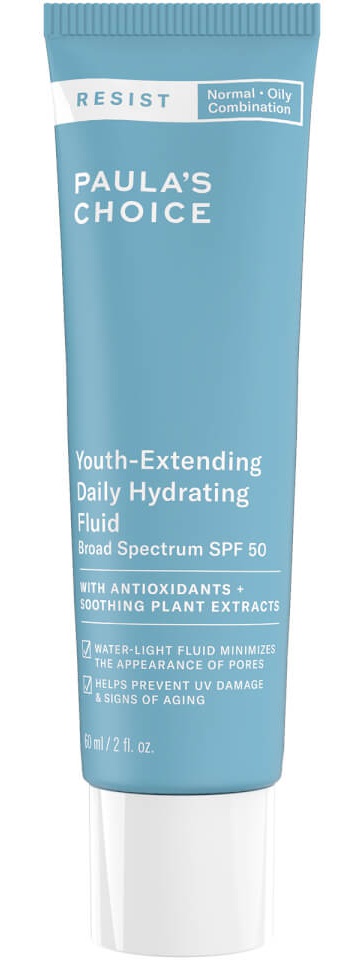
Chemical (organic) SPF 50 PPD 25 (UVA-PF 25) — exceeds 1/3 EU ratio Fluid 4/5 4/5 price not verified
Chemical (organic) SPF 50+ PPD 18 (UVA-PF 18) — meets EU 1/3 ratio Lotion 3/5 3/5 price not verified
Tinted mineral SPF 50 Broad spectrum (in-vitro critical wavelength ≥ 370nm) Cream ✓ 80 min 3/5 4/5 price not verified
Mineral (inorganic) SPF 30 Broad spectrum (in-vitro critical wavelength ≥ 370nm) Lotion ✓ 80 min 3/5 4/5 price not verified
Chemical (organic) SPF 50+ Broad spectrum (UVA/UVB + Ultra-Long UVA + Blue Light — exact PPD not stated on product page) Cream 3/5 2/5 $19.04 2026-08-23

UVA-PF (PPD) is the most important number on this page. SPF only measures UVB (the burning ray). UVA is the deeper-penetrating ray that breaks down collagen, causes pigmentation, and contributes to skin cancer. EU COLIPA and AU TGA standards require UVA-PF ≥ 1/3 of labelled SPF for "broad spectrum" — anything below that ratio is a UVB-only sunscreen despite the label. PPD ≥ 30 = strong UVA protection (Mexoryl 400 territory).

The 4 sunscreen filter categories explained

1

Chemical (organic) filters High UVA coverage

Modern filters: Mexoryl 400, Tinosorb S/M, Uvinul A Plus · Photostable · Not reef-safe

Synthetic molecules that absorb UV radiation and convert it to heat. Modern chemical filters (Tinosorb S/M, Mexoryl SX/XL/400, Uvinul A Plus) are highly photostable and rarely cause irritation. The trade-off: not reef-safe (oxybenzone and octinoxate have been shown to damage coral larvae, banned in Hawaii, Mexico, Palau). Best when formulated with multiple filters to achieve balanced UVA/UVB coverage.

Best for: everyday wear, makeup compatibility, high UVA-PF products (Mexoryl 400, UVMune 400). Avoid if you have reef commitments (live near coral, frequent snorkel/dive destinations).

2

Mineral (inorganic) filters

Zinc oxide + titanium dioxide · Reef-safe · Immediate protection

Zinc oxide and titanium dioxide sit on the skin surface and reflect/scatter UV. Pros: inherently reef-safe, immediate protection on application (no 20-min wait), no systemic absorption, suitable for sensitive skin and pregnancy. Cons: harder to spread, can leave a white cast on darker skin tones, lower peak protection per gram than modern chemical filters. The "sheer" mineral formulations (CeraVe, Neutrogena Sheer Zinc) reduce white cast via particle dispersion.

Best for: sensitive skin, eczema, rosacea, pregnancy, children, reef-safe swim use. Look for ≥ 15% zinc oxide for meaningful UVA protection.

3

Hybrid (chemical + mineral)

Best balance for sensitive skin · Higher filter load

Combines organic filters for high UVA/UVB absorption with mineral filters for the visible-light range. Often the best balance for sensitive skin: high protection with reduced chemical filter load. The mineral component (typically titanium dioxide) also adds visible-light protection that chemical filters alone don't provide — relevant for hyperpigmentation in skin of colour.

Best for: sensitive skin users who want higher UVA-PF than pure mineral can deliver. Anthelios XL Comfort Cream is the reference formulation.

4

Tinted mineral

Mineral + iron-oxide pigment · Eliminates white cast · Visible-light protection

Zinc oxide + iron oxide pigments. The iron oxide tint eliminates the white cast that makes most mineral sunscreens hard to wear on medium/dark skin tones, and adds visible-light protection (blue light from screens can also contribute to pigmentation, especially in skin of colour). Excellent for medium-to-deep skin tones and anyone who has had trouble with mineral sunscreens looking chalky.

Best for: medium-to-deep skin tones, anyone with melasma or post-inflammatory hyperpigmentation, users who want mineral + a tint in one step. RoC, La Roche-Posay, and Colorescience lead this category.

SPF levels explained

The SPF number only tells you about UVB (the burning ray). For UVA (the deeper-penetrating, aging and pigmentation ray), look at UVA-PF or PPD on the label. Many countries now require the UVA circle logo (EU) or "broad spectrum" (AU/US) which means UVA-PF ≥ 1/3 of SPF.

30

SPF 30 — filters ~97% of UVB. The minimum recommended daily-use threshold in most countries. Adequate for office workers and indoor days; insufficient for outdoor exercise, beach, or high-UV-index days.

45

SPF 45 — filters ~97.8% of UVB. Sits between SPF 30 and SPF 50 — a common SPF level for Asian-skincare and Australian "everyday" formulations. Marginal benefit over SPF 30 (~0.8%) but smaller filter load than SPF 50.

50

SPF 50 — filters ~98% of UVB. The most common European and Asian SPF standard. Good balance of protection + cosmetic elegance.

70

SPF 70 — filters ~98.6% of UVB. Useful for extreme UV days (tropical, alpine, outdoor labour). Diminishing returns above SPF 50 for most users.

100

SPF 100 — filters ~99% of UVB. Predominantly a US/Asia market segment. The additional 1–2% protection over SPF 50 is rarely worth the increased filter load and cost.

50+

SPF 50+ — covers SPF 51–59 in EU labeling, or SPF 60+ in AU/US. The AU standard uses "50+" to mean the measured SPF is at least 60, providing additional safety margin. The most common recommendation from AU dermatologists.

How to apply sunscreen (and not waste your money)

Studies consistently show that people apply 25–50% of the amount of sunscreen needed to achieve the labelled SPF. The Australian standard test uses 2 mg/cm² — that's about 1/4 teaspoon for the face and neck alone. Here's the protocol that actually delivers the labelled protection:

  1. Apply 2 mg/cm² — about 1/4 teaspoon for face + neck. Most people apply 0.5–1.0 mg/cm², which gives roughly half the labelled SPF. The "two-finger rule" (a line of sunscreen along the length of your index and middle finger) is a quick visual guide for face-only application.
  2. Apply 15–20 minutes BEFORE sun exposure. Chemical filters need ~20 min to bind to the stratum corneum. Mineral filters work immediately but still benefit from a brief dry-down.
  3. Reapply every 2 hours, or after swimming/sweating/towel-drying. The labelled water-resistance rating (40 min, 80 min) is the time the SPF survives normal water exposure, not "you are protected all day".
  4. Use SPF 30+ for daily indoor wear, SPF 50+ for outdoor days. SPF 15 is now considered insufficient for daily use in most dermatology guidelines. The AU standard recommends SPF 50+ as the daily minimum.
  5. Apply even on cloudy days. UVA penetrates clouds. Up to 80% of UV reaches skin on overcast days. SPF is a daily product, not a beach product.
  6. Layer vitamin C + SPF for the most-evidenced daytime combo. Lin 2005 — applying LAA 15% underneath SPF 50 doubles photoprotection vs either alone. The antioxidants neutralise the free radicals that slip past the filters.
  7. Don't rely solely on SPF in makeup. A foundation with "SPF 15" applied at cosmetic thickness gives roughly SPF 2–4. The amount needed to hit the labelled protection is impractical for everyday makeup use.
  8. Store below 30°C. Heat degrades both chemical and mineral filters. Don't leave sunscreen in a hot car or beach bag for weeks.

Top picks by use case

Best overall

La Roche-Posay Anthelios UVMune 400 SPF 50+

~$22 USD, 50ml. PPD 46 — the highest measured UVA-PF in any consumer sunscreen. Mexoryl 400 covers long-wave UVA1 (the deepest UV). Invisible fluid, no white cast, water-resistant 80 min. Sold at TH Watsons/Boots and AU Chemist Warehouse. Read the full sunscreen guide →

Best budget mineral

CeraVe Hydrating Mineral Sunscreen SPF 30

~$16 USD. 17% zinc oxide + 5% titanium dioxide. Ceramide + hyaluronic acid base. Suitable for sensitive, eczema-prone, and pregnancy. Reef-safe. The trade-off: SPF 30 (vs 50+ elsewhere) and slight white cast on darker skin tones.

Best for sensitive skin

La Roche-Posay Anthelios XL Comfort Cream SPF 50+

~$19.50 USD. Hybrid formula (chemical + titanium dioxide) at PPD 31. Richer cream texture — better for dry skin and AU winter. Sits well under makeup. Sold at TH Watsons/Boots and AU Chemist Warehouse.

Best for oily skin / acne-prone

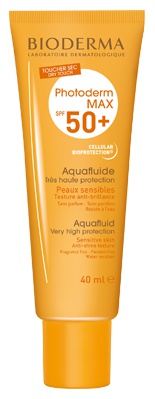
Bioderma Photoderm MAX Aquafluide SPF 50+

~$18 USD. PPD 33 (above EU 1/3 ratio). Lightweight aquafluide, oil-free, water-resistant. TH Watsons, Boots, and Thai independent pharmacies. The right pick for humid TH climates.

Best under makeup

The Ordinary UV Filters SPF 45 Serum

~$13 USD. Serum texture layers under makeup without pilling. PPD 22. Not water-resistant — reapply after sweating. AUD $19.90.

Best tinted (medium-to-deep skin)

RoC Mineral SPF 50 Tinted Sunscreen

~$22 USD. 18.6% zinc + 4.6% titanium dioxide + iron-oxide tint. Eliminates white cast. Reef-safe, water-resistant. Sold at TH Watsons and AU Chemist Warehouse.

Best Thailand-available mass-market

Neutrogena Sheer Zinc Mineral SPF 50+

~$18 USD. 21.6% zinc oxide — one of the highest zinc concentrations in mass retail. Reef-safe (Hawaii/Mexico/Palau compliant). Sold at TH Watsons, Boots, AU Chemist Warehouse, supermarkets.

Best premium / iHerb

Drunk Elephant Umbra Sheer SPF 30

~$42 USD. 20% zinc oxide, biocompatible formulation, no essential oils. Sold via own site, Sephora, and iHerb. Not stocked in TH retail.

Best Thailand clinical option

INGU BluVlite Ultra-Light Daily Sunscreen

~$19 USD (THB 670, 50g). BluVlite™ BioCPX (Thai butterfly pea + pomegranate + mangosteen extract) + Biome Balance complex. Broad-spectrum UVA/UVB + Ultra-Long UVA + Blue Light + Pollution. Fragrance-free, sensitive-skin friendly. Strong TH mass-market price. inguskin.com.

Side effects & warnings

Modern sunscreens are among the most-tested skincare products in regulatory history. TGA Australia, FDA US, and EU SCCS all require extensive safety testing before approval. The main risks are: contact dermatitis from specific filters, photoallergic reactions (rare), and the user-error risk of inadequate application.

Common (expected) reactions

  • Mild stinging on application (chemical filters, eyes especially)
  • White cast on darker skin tones (mineral filters — solve with tinted formulas)
  • Pilling under makeup (formula-too-thick problem — try a serum or fluid)
  • Greasy finish (high zinc or older formulations — try a mattifying fluid)
  • Eye irritation if applied too close to the lash line

Stop use and see a dermatologist if

  • Severe burning, swelling, or hives (allergic contact dermatitis — patch-test new formulas)
  • Persistent redness after consistent use
  • Photoallergic reaction (rash only appears after sun exposure — usually a specific filter)
  • Worsening of melasma or post-inflammatory hyperpigmentation (rare paradoxical response)
  • Active eczema flare on application area

Pregnancy & breastfeeding: Both mineral and modern chemical sunscreens are considered safe in pregnancy. The TGA lists zinc oxide and titanium dioxide as Category A (well-established safety). Oxybenzone has been studied in pregnancy — the FDA currently allows it, but mineral sunscreens are the conservative default. If unsure, mineral-only is the safer starting point.

References & sources

  1. Diffey BL (2001). When should sunscreen be reapplied? Journal of the American Academy of Dermatology 45(6):882-885. (The 2-hour reapplication rule derived from this study.) PMID: 11712025
  2. Lin JY, et al. (2005). UV photoprotection by combination topical antioxidants vitamin C and vitamin E. Journal of the American Academy of Dermatology 52(2):175-180. (The CE Ferulic + SPF combination study.)
  3. Moyal D, et al. (2006). UVA protection evaluation of sunscreens — the PPD method. Journal of the American Academy of Dermatology 54(3):S152. (The UVA-PF / PPD measurement standard.)
  4. Fourtanier A, Moyal D, Seite S (2012). UVA filters in sun-protection products: regulatory and biological aspects. Photochemical & Photobiological Sciences 11(1):81-89. (Mexoryl SX, Mexoryl XL chemistry and stability.)
  5. Marrot L, et al. (2020). Long-wavelength UVA (UVA1) and the Mexoryl 400 breakthrough. International Journal of Cosmetic Science 42(5):437-446. (The Mexoryl 400 patent and the long-wave UVA1 gap.) PMID: 32841404
  6. Therapeutic Goods Administration (TGA) Australia — Australian Regulatory Guidelines for Sunscreens (ARGS). tga.gov.au
  7. European Commission — Cosmetics Regulation (EC) No 1223/2009, Annex VI (permitted UV filters). The EU COLIPA 1/3 ratio requirement is in Annex VI.
  8. American Academy of Dermatology — Sunscreen FAQ. aad.org
  9. La Roche-Posay AU, Bioderma TH, CeraVe AU, Neutrogena AU, The Ordinary, Olay AU, RoC AU, Paula's Choice, Drunk Elephant AU, INGU TH — product pages and price snapshots cited per row above (date column).

Trusted brands we rate

These 10 brands are featured on every vitfacts.com comparison page. We track them for ingredient transparency, third-party testing, and Thailand availability.

BUDGET

A clinical-active cult brand built around single-molecule formulas at price points that disrupted the skincare industry. Sold at Sephora, Chemist Warehouse, and most Thai beauty retailers.

BUDGET

A dermatologist-developed US brand built around ceramides + MVE controlled-release technology. Sold at Chemist Warehouse, Watsons, Boots, and most major pharmacies worldwide.

Olay

Since 1952

BUDGET

A 70-year-old P&G mass-market skincare brand with clinical retinol offerings in the Regenerist line. Widely stocked at supermarkets, Watsons, Boots, and Chemist Warehouse.

MID

A dermatologist-recommended US brand with a deep retinol catalog (Rapid Wrinkle Repair, Stubborn Texture). One of the most-searched retinol brands on both AU and TH retail sites.

PREMIUM

A French pharmacy-grade dermocosmetics brand endorsed by dermatologists worldwide. Their Retinol B3 serum and Redermic lines are bestsellers in both Australian and Thai pharmacies.

PREMIUM

A research-driven US skincare brand founded by chemist Paula Begoun. The Clinical 1% Retinol Treatment is one of the most-cited retinol products in dermatology literature. Sold via own site, iHerb, and Sephora.

RoC

Since 1957

MID

A US skincare brand that has specialised in retinol since 1995 — one of the first mass-market retinol lines. The Retinol Correxion line is a household name in AU and TH pharmacies.

MID

A French dermo-cosmetic brand under the NAOS group, widely sold at Watsons, Boots, and Thai independent pharmacies. Recently expanded retinol line with the Retinol+C10 serum.

PREMIUM

A US premium "biocompatible" skincare brand owned by Shiseido. The A-Passioni 1% Retinol Cream is widely considered the gold standard in the premium retinol segment. Sold at Sephora, Mecca, and iHerb.

INGU

Since Thailand (founded year unverified — about/story page does not state a year)

MID

A Thai clinical-skincare brand (อิงกุ) built around ingredient transparency and research-led formulations. Operates two product lines: topical skincare (Green Tea Biome Balance cleansers/creams, Green Tea Retinol Serum Shot, Vitamin C AOX Glowing Serum, broad-spectrum sunscreens) and an oral INU range (astadaily / astanext Astaxanthin + Vitamin E antioxidant supplements).

Why these 10? See the VitFacts editorial policy page (forthcoming) for the criteria — minimum 10 years of documented safety record, public certificate-of-analysis policy, and verifiable Thailand distribution.