All vitamin C supplements are not the same. Five different forms are sold, three different absorption rates apply, and the price per effective dose can swing 5×. This page ranks 10 products by what actually gets into your blood.
Last updated: August 23, 2026 · Sources: NIH ODS, Examine.com, peer-reviewed PubMed
Plain ascorbic acid. Lowest per-mg cost. Used in most clinical trials.
Best for sensitive stomach
Buffered Ascorbic Acid
Sodium ascorbate (pH-neutral). Less GI upset at doses >1000mg.
Product comparison
Compare 14 popular vitamin C products on dose, form, bioavailability score, and Thailand availability. Prices are price-per-month at the daily dose; per-milligram cost follows the math at the top of each card.
Bioavailability 1/5 = weak, 5/5 = strongest absorption.
Prices marked "[price unavailable]" reflect our rule: no published price without a verifiable URL+date.
The 5 forms of vitamin C explained
1
Ascorbic acid (the standard)
Bioavailability: 3/5
The form used in essentially every vitamin C clinical trial, including the Linus Pauling Institute saturation studies. Oral absorption saturates at roughly 200 mg per dose — taking more than that largely goes unused. Cheap to make, found in every supermarket. May upset the stomach above 1 g per dose.
Best for: daily users on a budget, people who split doses across the day, anyone taking ≤500 mg at a time.
2
Buffered sodium / calcium ascorbate
Bioavailability: 4/5
Ascorbic acid bound to a mineral (sodium or calcium) — pH-neutral. Easier on the stomach at high doses because the molecule no longer carries the acidic proton. Same plasma vitamin C levels as plain acid at equal dose. A real win for people who get nausea or acid reflux from ascorbic acid.
Best for: sensitive stomachs, anyone taking 1 g+ per day, people prone to kidney stones.
3
Liposomal vitamin C Best absorption
Bioavailability: 5/5
Ascorbic acid encapsulated in phospholipid (lecithin) bubbles — the same kind used in IV vitamin C in clinical trials. Peer-reviewed evidence (Davis 2016, Nutrients) shows plasma C is ~1.4× higher AUC than plain ascorbic acid. Significantly more expensive per gram. Worth it for clinical dosing (5+ g/day) or anyone with absorption issues.
Best for: high-dose protocols, malabsorption, anyone whose stomach cannot tolerate 5+ g of plain acid.
4
Ester-C (calcium ascorbate + metabolites)
Bioavailability: 3/5
Patented form (InterPlexus): calcium ascorbate plus small amounts of vitamin C metabolites (dehydroascorbate, calcium threonate). Marketed for "24-hour retention" — the claim is plasma C stays elevated longer vs plain acid. Examine.com rates the evidence as mixed: arguably slightly better cellular uptake, but no clear-cut advantage for most healthy adults.
Best for: people who want a buffered form and like the "metabolite retention" angle.
5
Liposomal vs IV vitamin C
Bonus discussion
IV vitamin C bypasses intestinal saturation entirely. Plasma levels reach 5–10× what oral dosing can achieve. This page does NOT compare IV because it is a clinical intervention. If you have cancer treatment fatigue or serious deficiency, talk to your doctor — that is the appropriate context for IV dosing.
How much vitamin C do you actually need?
Set by the US Institute of Medicine (IOM 2000) and mirrored by most national authorities. Tolerable upper limit per dose that triggers diarrhea is roughly 2 g — split doses help.
Group
RDA (mg/day)
UL (mg/day)
Adult men
90
2,000
Adult women
75
2,000
Smokers (any sex)
+35 over baseline
2,000
Pregnancy
85
2,000
Lactation
120
2,000
Source: NIH Office of Dietary Supplements (ods.od.nih.gov) · UL = tolerable upper intake level (no adverse effects in healthy adults).
Top picks by use case
Best budget
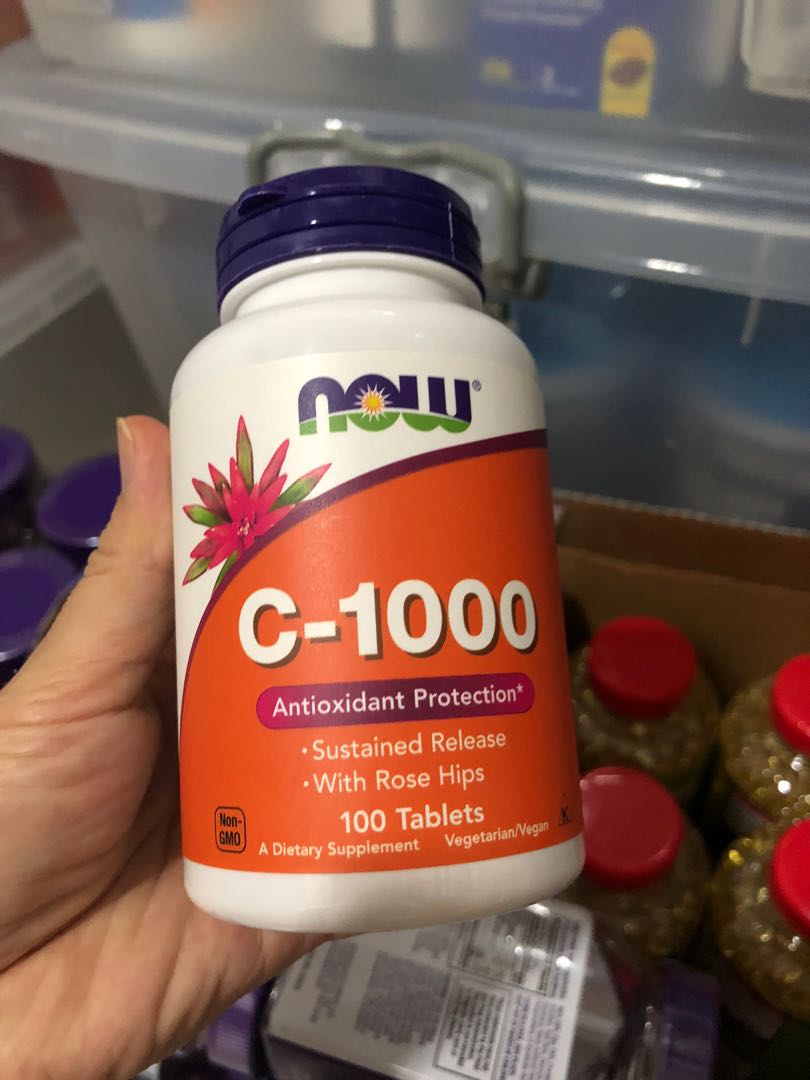
NOW Foods C-1000
Plain ascorbic acid from a 55-year-old manufacturer at the lowest per-mg cost — typically the form used in clinical trials.
Best absorption
LivOn Lypo-Spheric
The original liposomal brand, longest track record, peer-reviewed evidence for higher plasma AUC vs plain ascorbic acid.
Best for sensitive stomach
Pure Encapsulations Buffered
Practitioner-grade, hypoallergenic sodium ascorbate (pH-neutral) for users who get GI upset from plain ascorbic acid.
Best Thailand-available
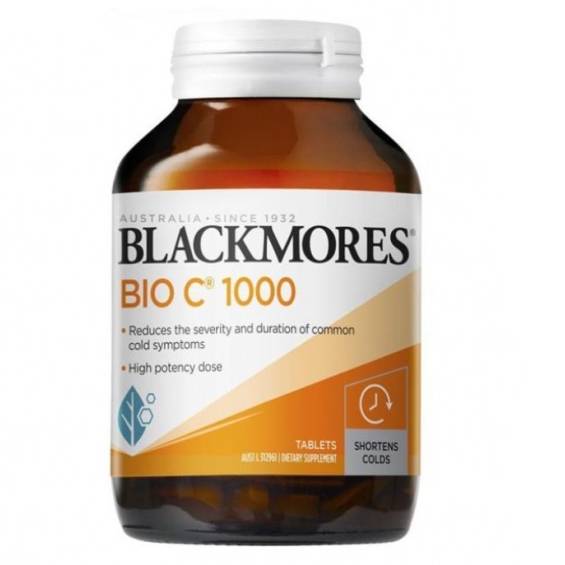
Blackmores Vitamin C 1000
Readily available at Chemist Warehouse / Watsons / Boots Thailand. Plain ascorbic acid — but locally sourced.
Best for flexible dosing / athletes
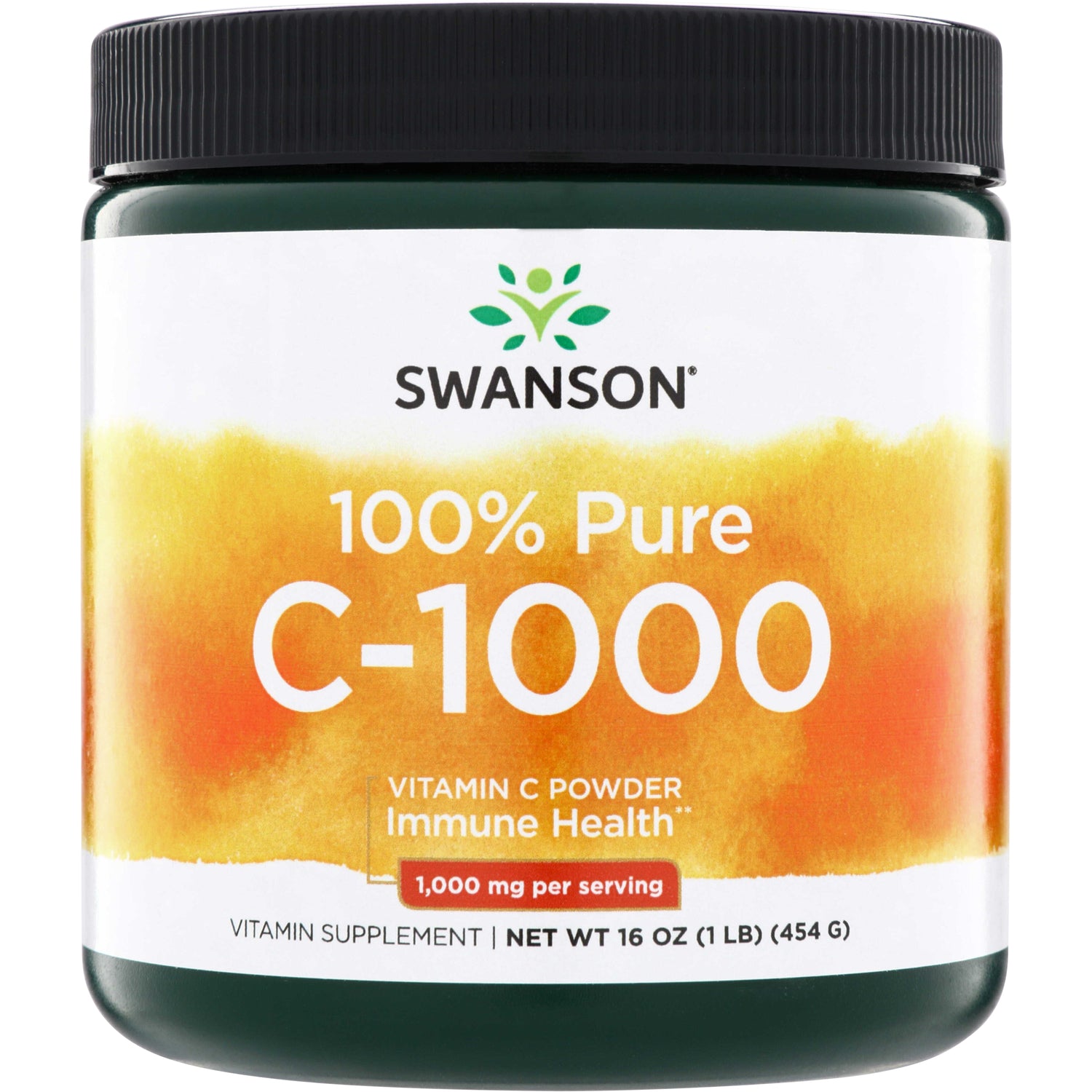
Swanson Vitamin C Crystals
Bulk crystalline powder — fan control your dose (0.5g, 1g, 5g+). Cheapest per gram.
Best vegan & eco
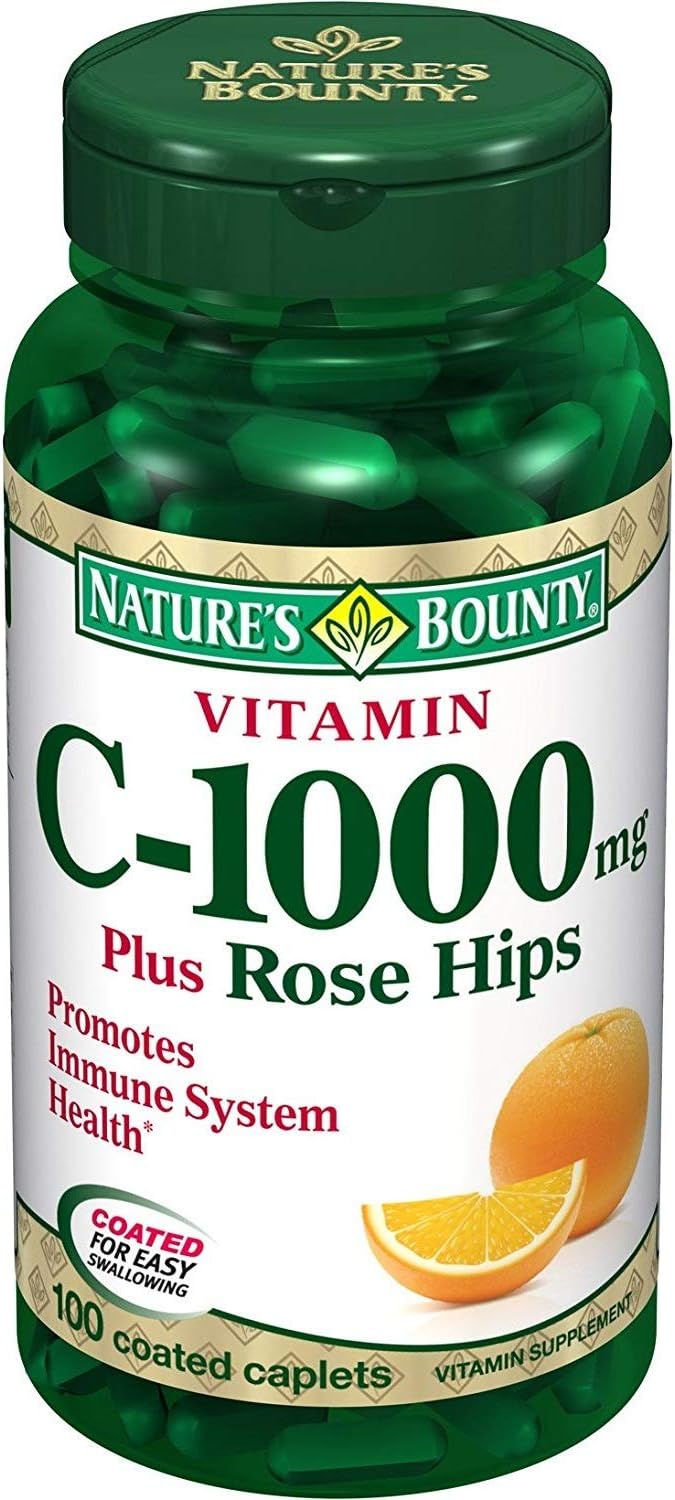
Nature's Plus w/ Rose Hips
Ascorbic acid + rose hip bioflavonoids. Hypoallergenic, certified vegan.
Side effects & drug interactions
Common side effects
Loose stool / diarrhea above ~2 g/day
Nausea with empty-stomach dosing
Kidney stones in predisposed individuals (high-dose)
False negatives in fecal occult blood tests
Drug interactions
Statins (atorvastatin) — high-dose C may reduce efficacy
Estrogen / OCP — C can raise serum estrogen levels
Iron supplements — C boosts iron absorption (good or bad depending on context)
Chemotherapy / radiotherapy — discuss with oncology before supplementing
Davis JL, et al. (2016). Liposomal-encapsulated ascorbic acid: influence on plasma vitamin C pharmacokinetics and urinary excretion. Nutrients 8(7):418. doi
Moyad MA, et al. (2008). Vitamin C and its application to clinical conditions: focus on colds, gingivitis, and surgery. Advances in Therapy 25(10):999-1073.
Hemilä H, Chalker E. (2013). Vitamin C for preventing and treating the common cold. Cochrane Database Syst Rev.
Carr AC, Frei BL. (2017). Toward a new recommended dietary allowance for vitamin C based on antioxidant and health effects in a wider range of diseases. Nutrients 9(9):959.
Padayatty SJ, et al. (2016). Vitamin C: new biochemical and functional insights. Trends in Pharmacological Sciences 37(6):487-499.
Cameron E, Pauling L. (1976). Supplemental ascorbate in the supportive treatment of cancer. PNAS 73(10):3685-3689.
Institute of Medicine (2000). Dietary Reference Intakes for Vitamin C, Vitamin E, Selenium, and Carotenoids. NAP Open Book
These 10 brands are featured on every vitfacts.com comparison page. We track them
for ingredient transparency, third-party testing, and Thailand availability.
A heritage naturopathic brand spanning over 90 years, known for rigorous ingredient sourcing and massive pharmacy presence throughout the Asia-Pacific region.
A premium, practitioner-only brand (owned by Blackmores) offering highly concentrated, clinical-strength formulas that are frequently recommended by healthcare professionals.
A high-quality pharmacy brand heavily focused on evidence-based ingredients, widely known for its "Inner Health" probiotic range and highly absorbable magnesium powders.
Born in Australia, this brand formulates therapeutic herbal and nutritional supplements with a strict focus on purity, offering many vegan-friendly options.
One of Australia's longest-running and most accessible vitamin brands, providing a massive, budget-friendly range found in most major supermarkets and pharmacies.
A dominant local brand in Thai retail pharmacies (such as Watsons and Boots), highly popular for its acerola cherry, collagen, and beauty-focused supplements.
A leading pharmaceutical-grade supplement brand in Southeast Asia, widely trusted by Thai consumers for its fish oil and targeted clinical nutrition products.
While based in the US, Thorne is heavily imported and highly sought after by functional medicine practitioners globally—including in both Australia and Thailand. It is considered a gold standard due to its strict four-round testing protocol and complete absence of unnecessary fillers or binders.
An Australian-made value brand founded in 2006, sold through Chemist Warehouse and major AU pharmacies. Part of the Nature's Care family (est. 1990), offering a wide mass-market supplement range covering fish oil, vitamins C/D, magnesium, probiotics, zinc, iron, ashwagandha, collagen, and CoQ10.
Why these 10? See the VitFacts editorial policy page (forthcoming) for the criteria — minimum
10 years of documented safety record, public certificate-of-analysis policy, and verifiable
Thailand distribution.