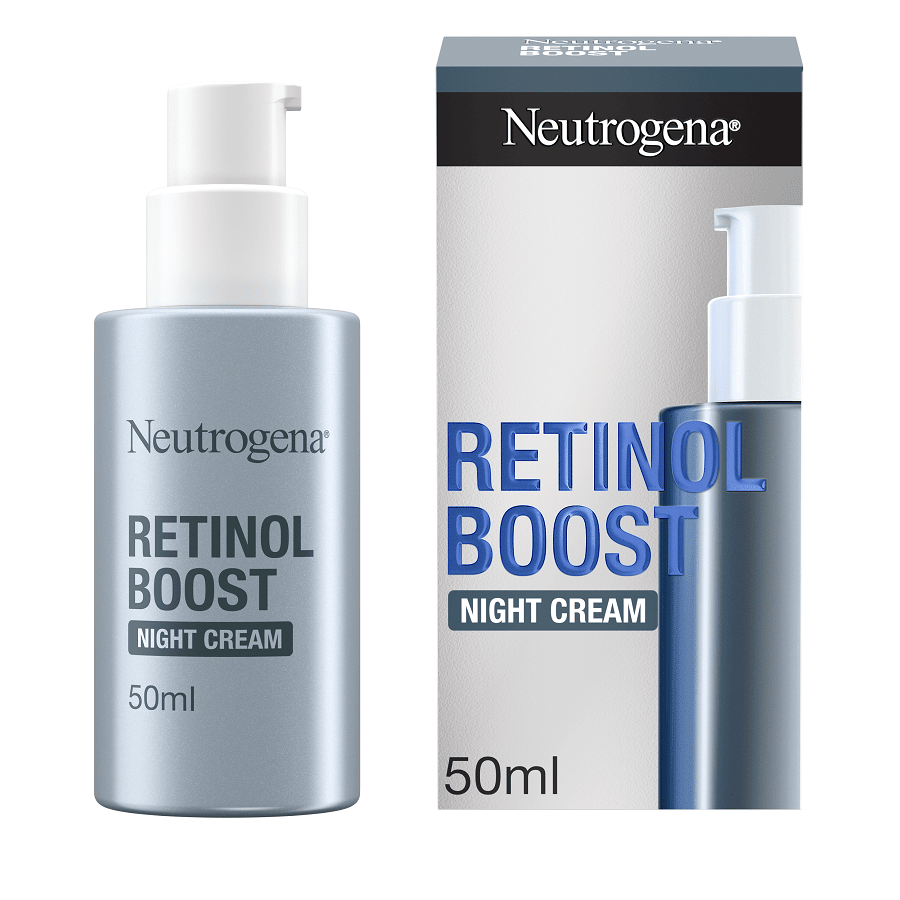
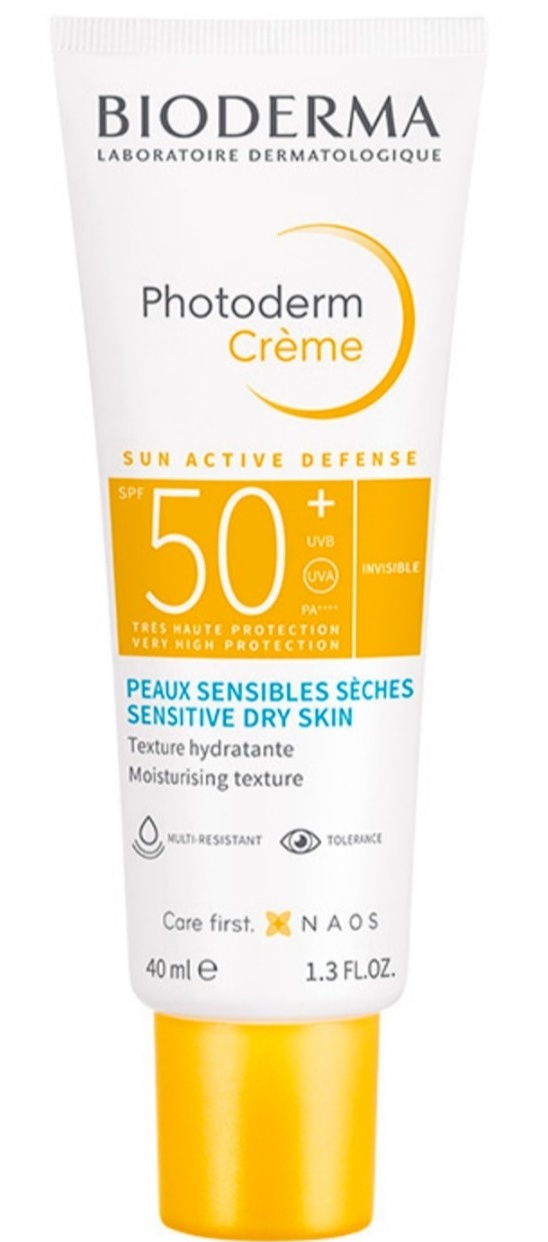
Topical vitamin C is the second-most-evidenced active in skincare (after retinol) — but the molecule (L-ascorbic acid vs MAP vs SAP vs THD), the pH, and the packaging make a 10× difference in how your skin responds. This page ranks 14 popular vitamin C serums on stability, clinical evidence, pH, and price per ml.
Last updated: August 23, 2026 · Sources: Lin 2005 (CE Ferulic), Traikovich 1999, Fitzpatrick 2002, Pullar 2017 review, SAP-acne RCT 2010
At a glance
Best budget entry
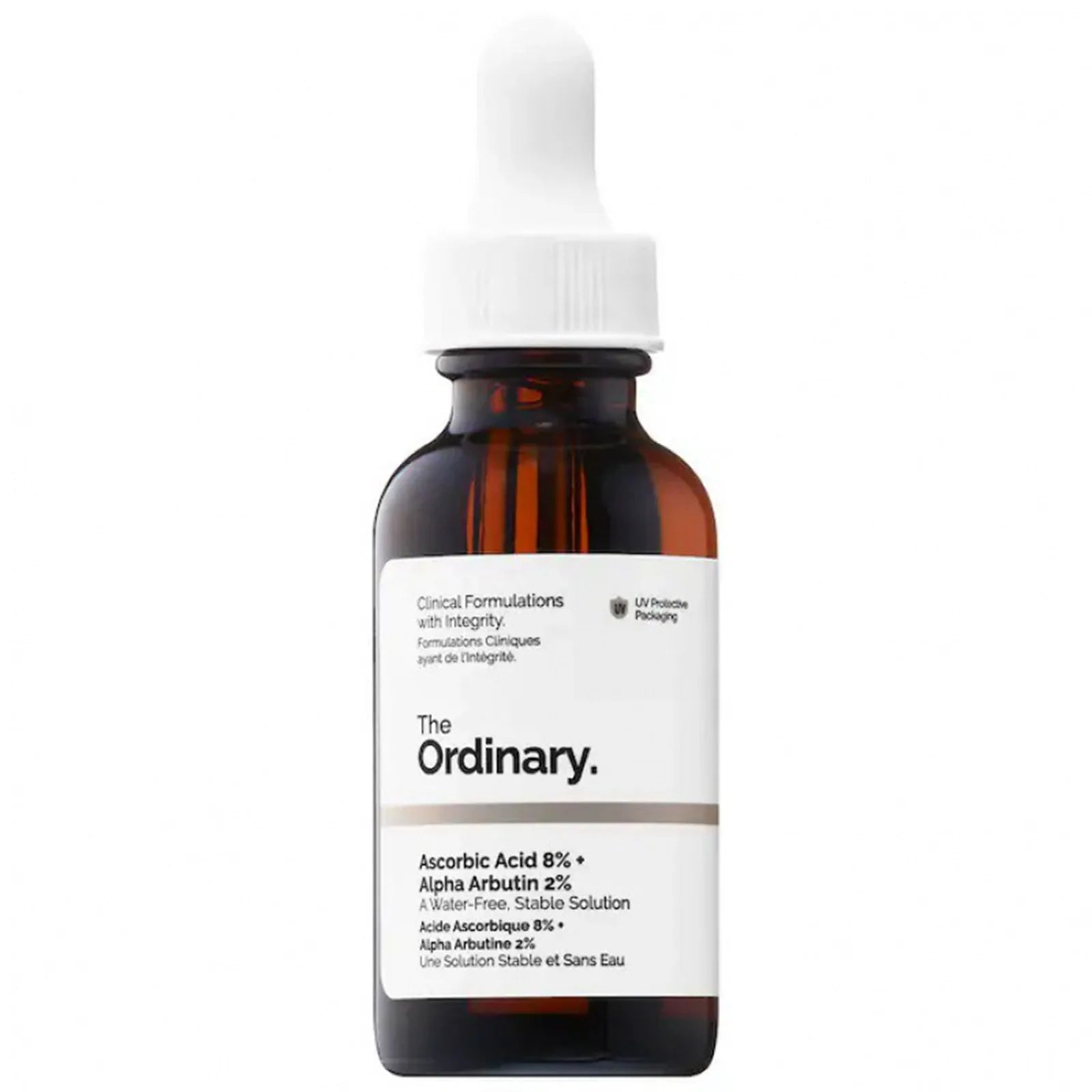
The Ordinary Ascorbic Acid 8% + Alpha Arbutin
~$7 USD, 30ml. A gentle 8% L-ascorbic acid + tyrosinase inhibitor for hyperpigmentation. Use within 6 weeks of opening.
Most evidence per dollar
SkinCeuticals C E Ferulic
~$169 USD. The original CE Ferulic formula. Lin 2005 RCT showed 4× photoprotection + 8× collagen protection. Premium tier, unmatched evidence.
Best for sensitive skin
The Ordinary Ascorbyl Glucoside 12%
~$9 USD. Stable 12% ascorbyl glucoside at neutral pH. 18-month shelf life, no irritation, gentlest in our list.
Product comparison
Compare 14 popular topical vitamin C products on molecule, concentration, pH, stability, evidence, and price per ml. Stability 5/5 = most stable (12+ months in clear packaging). Evidence 5/5 = strongest published RCT base.
Stability 1/5 = oxidises within hours of opening (L-ascorbic acid naked in clear bottle); 5/5 = 12+ months shelf-stable (SAP, MAP, THD in opaque airless pump). L-ascorbic acid (LAA) has the most dermatology RCTs (Traikovich 1999, Fitzpatrick 2002, Lin 2005); derivatives have growing but smaller evidence bases. pH matters: LAA needs pH < 3.5 to penetrate; derivatives work at neutral pH.
The bioactive form of vitamin C, identical to what your body makes from dietary sources. Must be formulated at pH < 3.5 to penetrate the skin barrier. Lin 2005 (the SkinCeuticals CE Ferulic trial) showed LAA 15% + vitamin E + ferulic acid provides 4× photoprotection and 8× collagen protection against UV. The trade-off: oxidises within hours of opening in air, especially in clear packaging.
Best for: photoaging, sun damage, post-inflammatory hyperpigmentation. Use within 4–6 weeks of opening. Buy small bottles (15–30 ml) and store in opaque packaging.
2
Magnesium Ascorbyl Phosphate (MAP)
Stability: 4/5 · Evidence: 3/5 · pH: 5.5–7
A water-soluble vitamin C derivative. Converts to LAA in the skin via phosphatase enzymes. Stable for 12+ months in a clear bottle. Modest evidence base for brightening; less direct collagen-synthesis data than LAA. Non-irritating.
Best for: sensitive skin, daytime layering under SPF, anyone who cannot tolerate LAA. Slower brightening than LAA — expect 8–12 weeks for visible results.
A water-soluble vitamin C derivative with the strongest acne evidence of any C-derivative. A 2010 RCT (Klock) showed 5% SAP matched 5% benzoyl peroxide at 8 weeks for acne lesions, with significantly less irritation. Stable, gentle, water-soluble. The most underrated form in mass retail.
Best for: acne-prone skin, anyone who cannot tolerate benzoyl peroxide, oily skin. Available in Olay and Mad Hippie formulations.
4
Ascorbyl Glucoside (AA2G)
Stability: 5/5 · Evidence: 3/5 · pH: 5.5–7
A glycosylated vitamin C derivative. Converts to LAA in the skin via enzymatic cleavage. The most stable of the water-soluble derivatives — 18+ months shelf life in a clear bottle. Gentle, non-irritating, pH neutral. The mass-market budget pick (Neutrogena Bright Boost, The Ordinary 12%).
Best for: first-time users, sensitive skin, anyone who needs brightening without the LAA hassle. Slower than LAA but zero irritation.
A fat-soluble vitamin C ester. The most penetrative of the stable derivatives — lipophilic, slips through the stratum corneum without needing low pH. Stable for 12+ months. Does not have the same direct RCT base as LAA, but gene-expression studies are promising. The premium alternative for those who cannot tolerate LAA.
Best for: dry/mature skin, sensitive skin, daytime under SPF. The Ordinary's Ascorbyl Tetraisopalmitate 20% is the value pick.
A relatively new vitamin C derivative that combines LAA-like potency with EAC-like stability. Stable for 12+ months at pH 4–5. Some in-vitro evidence is promising for both brightening and collagen synthesis, but human RCTs are still limited. The "next generation" of vitamin C derivatives.
Best for: users who want LAA-level effects without the irritation, but want the evidence base to mature first. Emerging ingredient in Asian skincare brands.
7
Ascorbyl Palmitate
Stability: 5/5 · Evidence: 1/5 · pH: 5–7
A fat-soluble vitamin C ester. Cheap and very stable, but the conversion efficiency to LAA in human skin is poor compared to MAP/SAP/THD. Often appears as the "vitamin C" on a moisturiser label — most of the marketing is stronger than the evidence. Treat as a marketing claim, not a treatment.
Best for: nothing specific. Avoid products that list ascorbyl palmitate without specifying a more active C-derivative alongside.
How to start using topical vitamin C (and not waste your money)
The marketing tells you "vitamin C is the gold standard". The reality is more nuanced: most people buy the wrong form, store it badly, and use it after it's already oxidised. Here's the protocol that actually delivers results:
Choose the form for your skin type, not the label. Sensitive skin → ascorbyl glucoside or MAP. Acne-prone skin → SAP. Mature/dry skin → THD. Tolerable skin wanting max results → LAA at 10–15% in opaque packaging.
For LAA, buy small (15–30 ml) and use fast. LAA oxidises within 4–6 weeks of opening regardless of packaging. A $7 small bottle used in 5 weeks beats a $30 large bottle used in 6 months.
Store LAA products in the fridge. Cold + dark dramatically slows oxidation. Check the colour weekly: fresh LAA is clear to pale yellow. Orange or brown = oxidised, throw it out.
Apply in the morning, after cleansing, before SPF. Vitamin C + sunscreen is the most-evidenced daytime anti-aging combination. Lin 2005 showed LAA + SPF outperforms either alone.
Use 3–4 drops for the entire face and neck. More is not better. A little covers the full area — anything beyond that just oxidises before penetrating.
Wait 60 seconds before layering. Let the LAA absorb fully before applying SPF or moisturiser on top. Stack immediately and you'll dilute the dose.
Don't combine with niacinamide in the same bottle. There's a long-standing myth that LAA + niacinamide cancel each other out. The actual data: a 2008 study showed modest flush in some users when applied at very high concentrations simultaneously. In practice, layer them with 5–10 minutes between, or use them at separate times of day.
Stop 3 days before any chemical peel, microneedling, or laser treatment. Vitamin C increases cell turnover — combined with exfoliation, this causes raw skin. Same logic as retinol.
~$169 USD. The original CE Ferulic formula — the only product with a Duke University RCT behind it. AUD $269. Premium tier, unmatched evidence.
Best for sensitive skin
The Ordinary Ascorbyl Glucoside 12%
~$9 USD. Ascorbyl glucoside at neutral pH. 18-month shelf life, no irritation, the gentlest vitamin C in our list.
Best for acne-prone skin
Olay Vitamin C + Peptide 24 Brightening Serum
~$22 USD. Sodium ascorbyl phosphate (SAP) — the only C-derivative with an acne RCT. Comparable to benzoyl peroxide 5% with less irritation.
Best dermatologist-grade
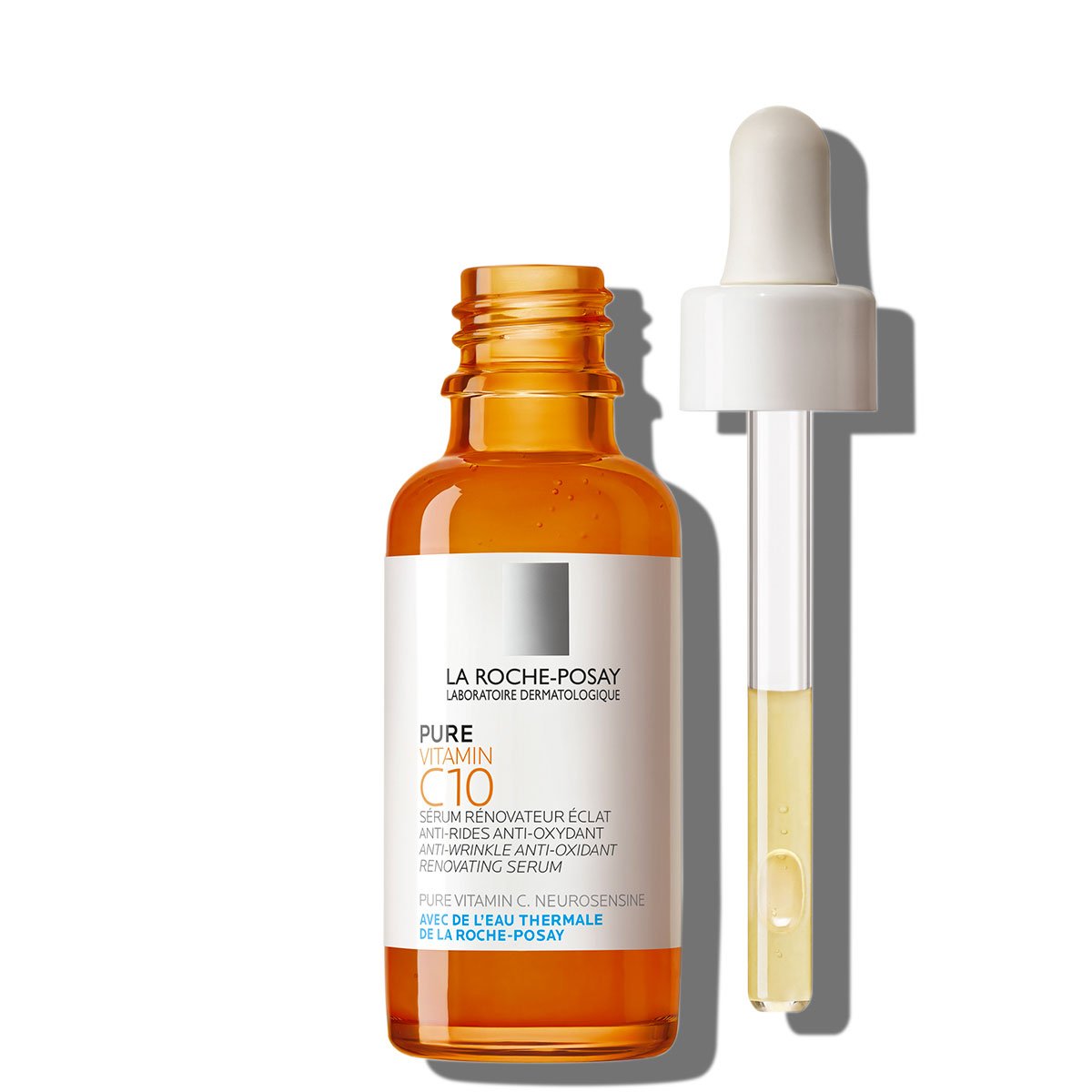
La Roche-Posay Vitamin C10 Serum
~$45 USD. 10% LAA + salicylic acid in French pharmacy base. The right starting point if you want dermatologist validation. Sold in TH Watsons/Boots.
Best fat-soluble (dry/mature skin)
The Ordinary Ascorbyl Tetraisopalmitate 20%
~$12 USD. THD — fat-soluble, 12-month stability, layers beautifully under SPF. Best for dry skin and daytime use.
Best Thailand-available mass-market
Neutrogena Bright Boost Vitamin C + Niacinamide
~$16 USD. Ascorbyl glucoside + niacinamide. Sold at TH Watsons, Boots, AU Chemist Warehouse. The right mass-market pick.
Best premium / iHerb
Drunk Elephant C-Firma Fresh Day Serum
~$85 USD. Powder-activated LAA delivery. Order via Sephora, Mecca, or iHerb. Premium tier, freshest formula at first use.
Best Thailand clinical option
INGU Vitamin C AOX Glowing Serum
~$22 USD (THB 790, 30ml). Encapsulated L-ascorbic acid + vitamin E + Thai Holy Basil extract. 12-month stability at gentle pH — LAA brightening without the oxidation headache. Direct from inguskin.com.
Best AU-sensitive skin option
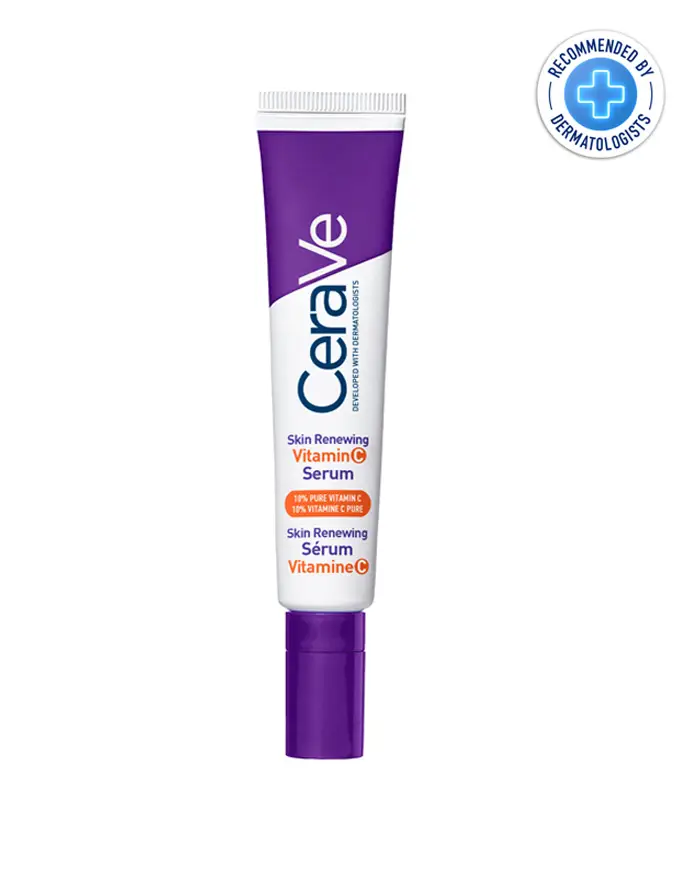
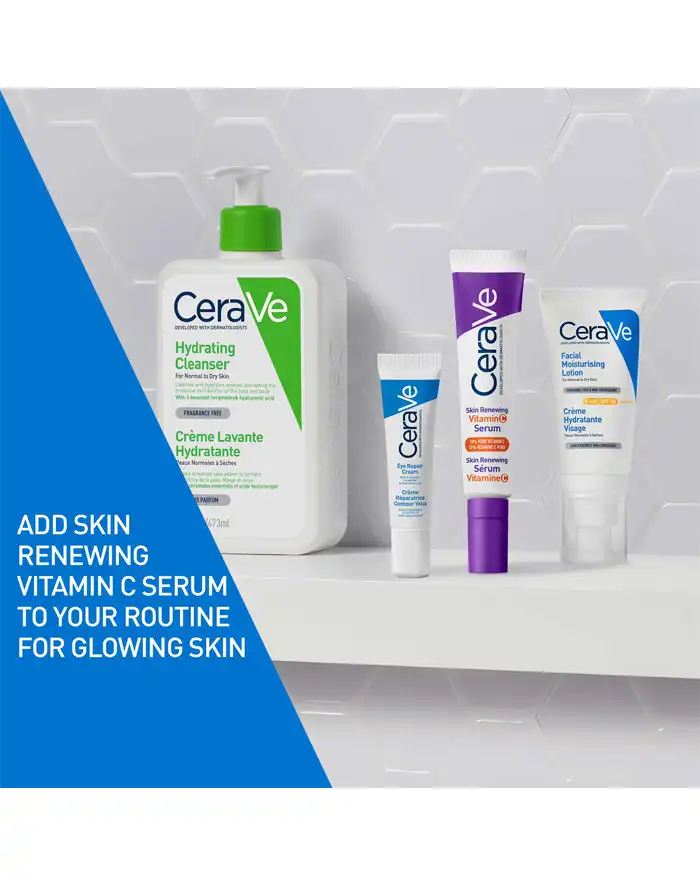
CeraVe Skin Renewing Vitamin C Serum (AU)
~$29 USD (AUD $44.99, 30ml). 10% LAA + CeraVe's 3-ceramide complex + hyaluronic acid + panthenol. Designed for sensitive skin — the ceramide base buffers LAA irritation. 4.2/5 across 44 Adore Beauty reviews. Sold at cerave.com.au, Adore Beauty, Chemist Warehouse AU.
Side effects & warnings
Topical vitamin C is generally well-tolerated. LAA is the most irritating; derivatives (MAP, SAP, THD, ascorbyl glucoside) are non-irritating for most users. The main risks are oxidation (using a product that has gone bad) and rare contact dermatitis.
Common (expected) reactions
Mild tingling on application (LAA only, first 2 weeks)
Slight yellow tint on fingertips (LAA — washes off)
Initial purging (rare, more common with retinol)
Staining of fabrics, towels, pillowcases (use white linens)
Product turns orange/brown = oxidised, throw it out
Stop use and see a dermatologist if
Severe burning, swelling, or crusting (allergic contact dermatitis)
Persistent redness after 2 weeks of consistent use
Worsening of melasma or hyperpigmentation (rare paradoxical response)
Active eczema, rosacea flare, or sunburn on the application area
Recent chemical peel, microneedling, or laser (wait 5–7 days)
References & sources
Lin JY, et al. (2005). UV photoprotection by combination topical antioxidants vitamin C and vitamin E. Journal of the American Academy of Dermatology 52(2):175-180. (The CE Ferulic RCT that defined the formula.)
Traikovich SS (1999). Use of topical ascorbic acid and its effects on photodamaged skin topography. Archives of Otolaryngology–Head & Neck Surgery 125(10):1091-1098. PMID: 10522500
Fitzpatrick RE, Rostan EF (2002). Double-blind, half-face study comparing topical vitamin C with vehicle on facial photodamage. Dermatologic Surgery 28(3):231-236. PMID: 11896774
Klock J, et al. (2010). A double-blind, placebo-controlled, randomized trial of topical sodium L-ascorbyl-2-phosphate (SAP) in acne vulgaris. Journal of Cosmetic Dermatology 9(2):105-112. (5% SAP vs 5% benzoyl peroxide for acne — comparable efficacy, less irritation.)
Pullar JM, et al. (2017). The roles of vitamin C in skin health. Nutrients 9(8):866. PMID: 28805671
American Academy of Dermatology — Vitamin C and your skin. aad.org
Examine.com — Vitamin C research review. examine.com
The Ordinary, CeraVe AU, Olay AU, Neutrogena AU, La Roche-Posay AU, Paula's Choice, RoC AU, Medik8 AU, Bioderma TH, Drunk Elephant AU, SkinCeuticals AU, INGU (TH) — product pages and price snapshots cited per row above (date column).
Trusted brands we rate
These 10 brands are featured on every vitfacts.com comparison page. We track them
for ingredient transparency, third-party testing, and Thailand availability.
A clinical-active cult brand built around single-molecule formulas at price points that disrupted the skincare industry. Sold at Sephora, Chemist Warehouse, and most Thai beauty retailers.
A dermatologist-developed US brand built around ceramides + MVE controlled-release technology. Sold at Chemist Warehouse, Watsons, Boots, and most major pharmacies worldwide.
A 70-year-old P&G mass-market skincare brand with clinical retinol offerings in the Regenerist line. Widely stocked at supermarkets, Watsons, Boots, and Chemist Warehouse.
A dermatologist-recommended US brand with a deep retinol catalog (Rapid Wrinkle Repair, Stubborn Texture). One of the most-searched retinol brands on both AU and TH retail sites.
A French pharmacy-grade dermocosmetics brand endorsed by dermatologists worldwide. Their Retinol B3 serum and Redermic lines are bestsellers in both Australian and Thai pharmacies.
A research-driven US skincare brand founded by chemist Paula Begoun. The Clinical 1% Retinol Treatment is one of the most-cited retinol products in dermatology literature. Sold via own site, iHerb, and Sephora.
A UK professional-grade skincare brand built around CSA philosophy (Vitamin C + Sunscreen + Vitamin A). Their Crystal Retinal series is one of the most stable retinaldehyde products on the market.
A French dermo-cosmetic brand under the NAOS group, widely sold at Watsons, Boots, and Thai independent pharmacies. Recently expanded retinol line with the Retinol+C10 serum.
A US premium "biocompatible" skincare brand owned by Shiseido. The A-Passioni 1% Retinol Cream is widely considered the gold standard in the premium retinol segment. Sold at Sephora, Mecca, and iHerb.
Since Thailand (founded year unverified — about/story page does not state a year)
MID
A Thai clinical-skincare brand (อิงกุ) built around ingredient transparency and research-led formulations. Operates two product lines: topical skincare (Green Tea Biome Balance cleansers/creams, Green Tea Retinol Serum Shot, Vitamin C AOX Glowing Serum, broad-spectrum sunscreens) and an oral INU range (astadaily / astanext Astaxanthin + Vitamin E antioxidant supplements).
Why these 10? See the VitFacts editorial policy page (forthcoming) for the criteria — minimum
10 years of documented safety record, public certificate-of-analysis policy, and verifiable
Thailand distribution.