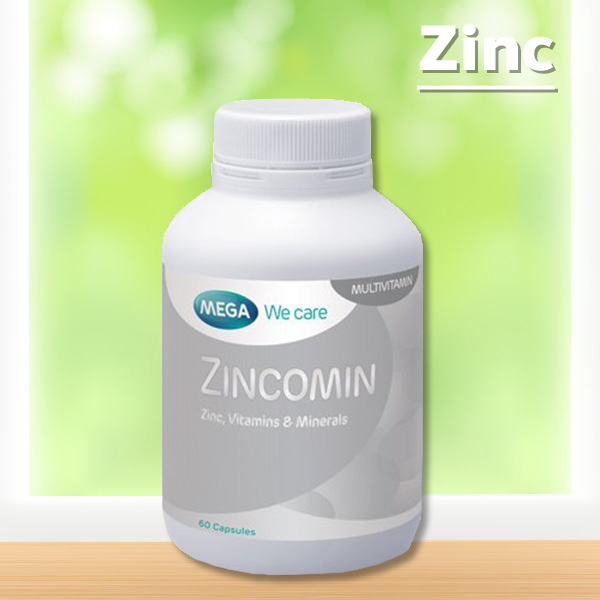
Zinc is the second most abundant trace mineral in the body, but the form you take (picolinate vs bisglycinate vs sulfate vs gluconate) makes a 2-3x difference in how much actually reaches your bloodstream. This page ranks 7 popular zinc products on absorption, GI tolerance, and elemental zinc per dollar.
Last updated: August 23, 2026 · Sources: NIH ODS Zinc, Saper 2000, Barrie 1987, Cochrane 2013
At a glance
Best absorption + GI tolerance
Thorne Zinc Picolinate 15 mg
NSF Certified for Sport. Zinc picolinate — the form with the strongest absorption evidence per Barrie 1987. 15 mg per cap, well below the 40 mg UL.
Best AU mass-market
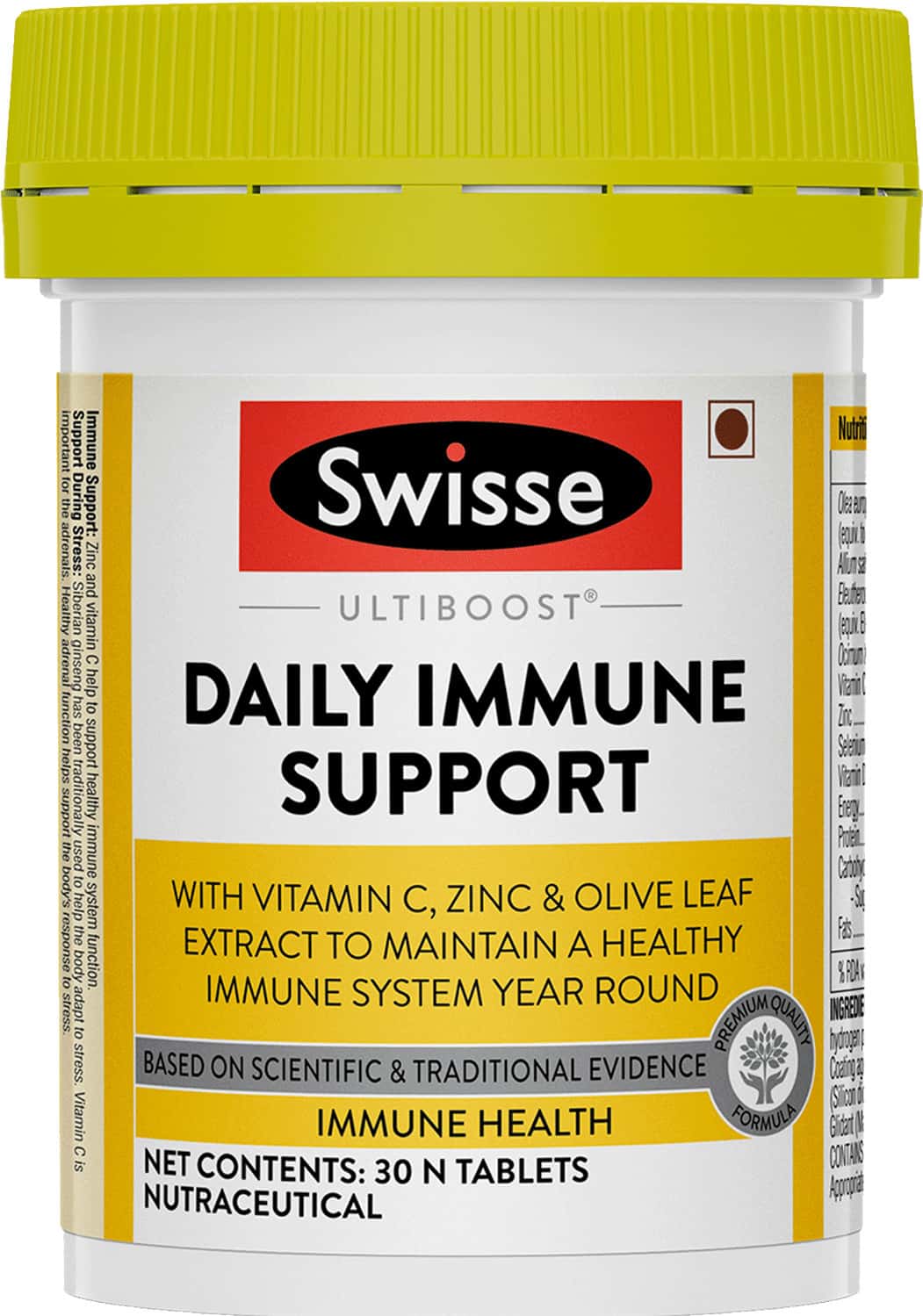
Swisse Ultiboost Zinc 30 tablets
Zinc amino acid chelate at 12.5 mg. Widely stocked at Watsons and Boots in Thailand. The default AU pharmacy choice.
Best Thailand-available
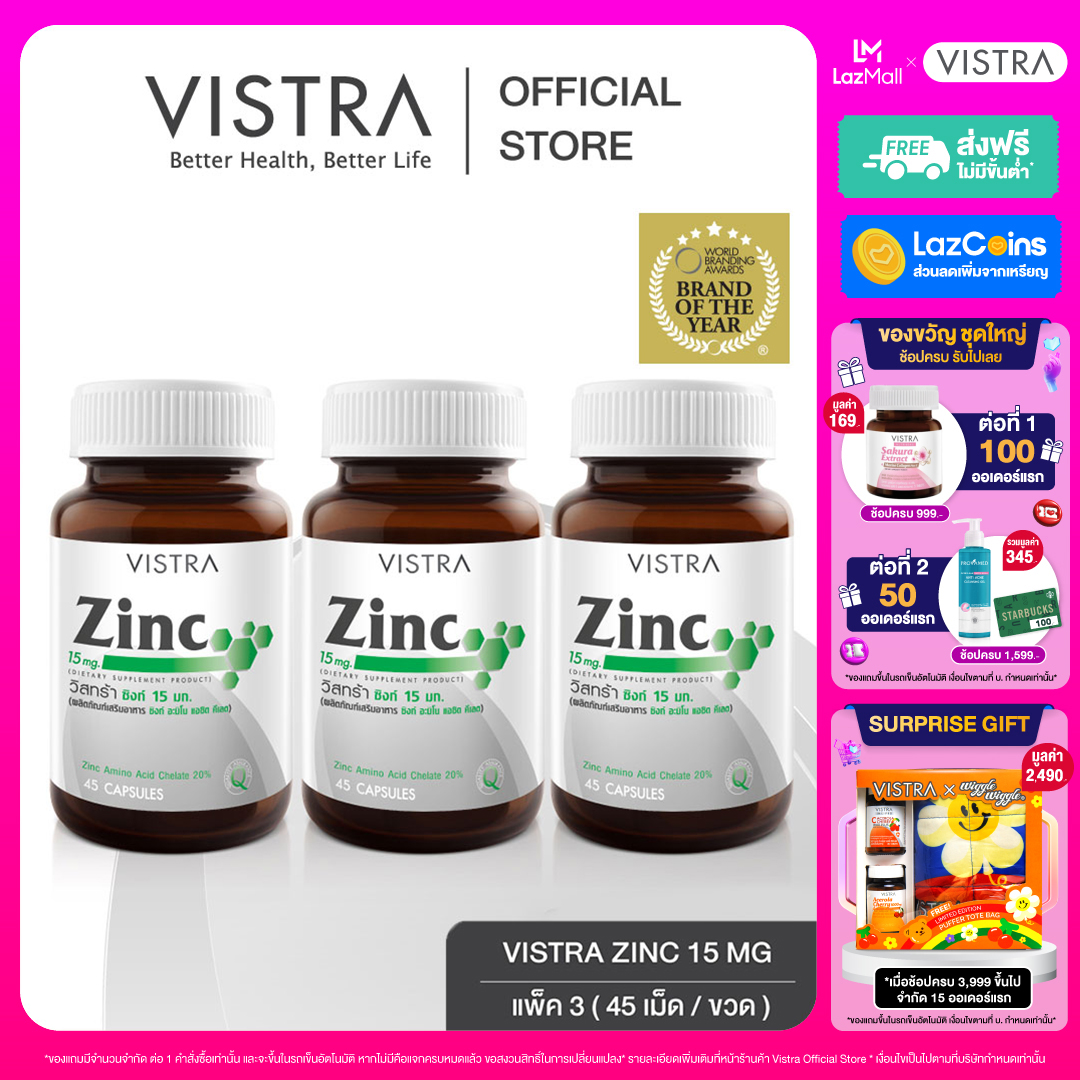
Vistra Zinc 60 caps
Thai pharmacy zinc bisglycinate at 15 mg. The chelated form with the best GI tolerance. Stocked at Watsons, Boots, and Lazada.
Product comparison
Compare 7 popular zinc products on form, elemental zinc per serving, absorption score, GI tolerance, and price per dose. Absorption 5/5 = highest bioavailability. GI tolerance 5/5 = fewest side effects.
Absorption 1/5 = lowest, 5/5 = highest bioavailability. GI tolerance 1/5 = most side effects (nausea, vomiting, diarrhea), 5/5 = placebo-level tolerability. Picolinate and bisglycinate dominate both axes per Barrie 1987 and Saper 2000.
Price column: prices marked "price not verified" indicate the author could not confirm a current retail price at write time. Use the retailer link to check the live price. We do not invent prices.
The 6 forms of zinc, explained
1
Zinc picolinate
Best absorbed
Absorption: 5/5 · GI tolerance: 5/5
Highest bioavailability per head-to-head studies (Barrie 1987). Chelation with picolinic acid aids intestinal uptake.
Most expensive form per mg elemental zinc.
Best for: Anyone with documented zinc deficiency, athletes, anyone who responded poorly to zinc gluconate.
2
Zinc bisglycinate
Gentle stomach
Absorption: 5/5 · GI tolerance: 5/5
Chelated bisglycinate with minimal GI side effects. Well-tolerated on empty stomach.
Slightly fewer RCTs than picolinate, but mechanistic data is strong.
Best for: Sensitive stomachs, long-term maintenance, anyone who stopped zinc sulfate due to nausea.
3
Zinc amino acid chelate
Pharmacy workhorse
Absorption: 4/5 · GI tolerance: 4/5
Generally well-absorbed, well-tolerated. The form most AU pharmacies stock. Cost-effective.
Quality varies between chelating agents (glycine, aspartate, etc.).
Best for: Daily maintenance, AU pharmacy standard, first-time zinc users.
4
Zinc citrate
Mid-range
Absorption: 4/5 · GI tolerance: 4/5
Good bioavailability. Often used in lozenges.
Less studied than picolinate or gluconate.
Best for: Anyone who wants a non-chelated alternative to gluconate.
5
Zinc gluconate
Cold lozenge
Absorption: 3/5 · GI tolerance: 3/5
The most studied form for cold-lozenge use (Cochrane review 2013 shows reduction in cold duration when started within 24h). Cheap.
Modest bioavailability. Nausea at higher doses.
Best for: Cold lozenges ONLY. Not for long-term oral supplementation.
6
Zinc sulfate
Cheapest
Absorption: 2/5 · GI tolerance: 2/5
Cheapest zinc salt by elemental content. The historical reference form.
Worst GI tolerance — nausea, vomiting, diarrhea common at therapeutic doses. Per Saper 2000, no clinical advantage over picolinate.
Best for: None for routine supplementation. Use chelated forms instead.
How much zinc do you actually need?
Per the US Institute of Medicine (IOM 2001) and the Australian NHMRC. RDAs assume 70-80% of dietary zinc from animal sources — vegetarians need ~50% more per the WHO.
Group
RDA (mg/day)
UL supplement only (mg/day)
Adult men 19+
11
40
Adult women 19+
8
40
Pregnancy
11-12
40
Lactation
12-13
40
Vegetarian adults
12-16
40
Source: NIH ODS Zinc Fact Sheet · UL = tolerable upper intake level for supplements only. Dietary zinc is poorly absorbed at high doses so food-based toxicity is rare.
Top picks by use case
Best overall
Thorne Zinc Picolinate 15 mg
NSF Certified for Sport. The strongest absorption + GI tolerance combo in our directory. 15 mg per cap, well below UL. Best for anyone who can afford premium pricing.
Best AU mass-market
Swisse Ultiboost Zinc 30 tablets
Zinc amino acid chelate at 12.5 mg. Widely stocked at Watsons and Boots in Thailand. The default AU pharmacy choice.
Best Thailand-available
Vistra Zinc 60 caps
Thai pharmacy zinc bisglycinate at 15 mg. The chelated form with the best GI tolerance. Stocked at Watsons, Boots, and Lazada. Best for sensitive stomachs.
Best budget AU
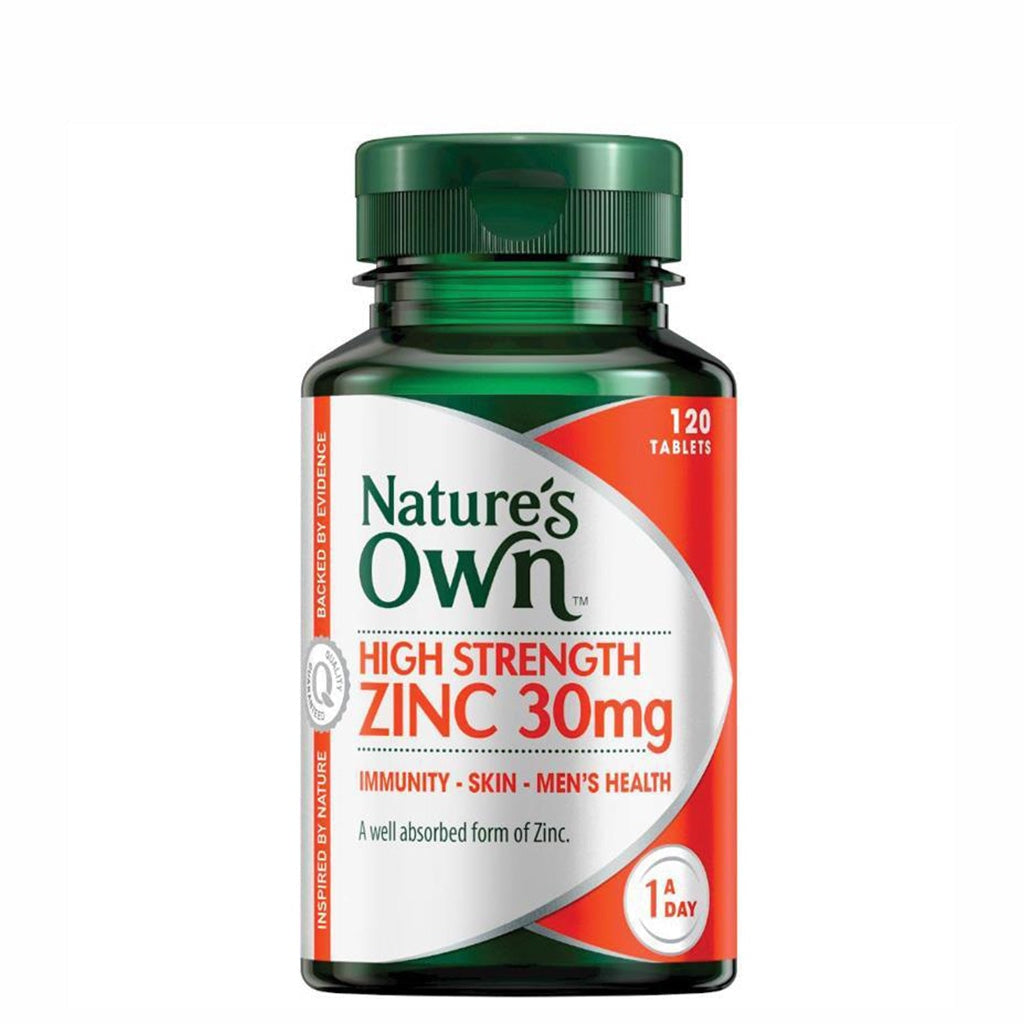
Nature's Own Zinc 30 mg 60 tablets
High-dose zinc at 30 mg per tablet. CHEAP per tablet. Best budget option for short-term immune support. Frequently discounted at Australian pharmacies.
Best short-term high-dose
Herbs of Gold Zinc Max 60 tablets
50 mg elemental zinc per tablet. For SHORT-TERM therapeutic use only (colds, immune support). NOT for daily long-term use (exceeds 40 mg UL).
Best Thailand-domestic
Mega We Care Hovid Zinc Plus
22.5 mg zinc sulfate + B complex. The Thai-domestic option stocked at Watsons, Boots, and independent TH pharmacies. Cheapest per mg, but sulfate has the worst GI tolerance.
Side effects & drug interactions
Zinc supplementation is generally safe at RDA doses but has real GI side effects and multiple drug interactions. Long-term high-dose use (50+ mg/day) is dangerous.
Common (expected) side effects
Nausea / stomach upset (especially zinc sulfate, especially on empty stomach)
Diarrhea (most common reason for non-adherence)
Vomiting (acute doses >200 mg)
Metallic taste in mouth (gluconate lozenges)
Headache
Drug interactions — separate by 2+ hours
Quinolone / tetracycline antibiotics — zinc chelates antibiotics, reducing both
Copper depletion risk: chronic zinc supplementation >50 mg/day depletes copper stores per NIH ODS, leading to anemia, neutropenia, and neurological symptoms. Anyone taking >25 mg/day long-term should add 1-2 mg copper to the protocol. Sideroblastic anemia from copper deficiency is the classic overdose presentation.
Immunity vs Copper balance: Zinc is widely marketed for immune support. The Cochrane review (2013) supports short-term use of zinc lozenges within 24 hours of cold onset for shortening duration. Long-term daily zinc above 40 mg/day is not evidence-supported and risks copper depletion.
Saper RB, Rash R. (2000). Zinc: An essential micronutrient. American Family Physician 62(8):1853-1860. PMID 11057831
Barrie SA, et al. (1987). Comparative absorption of zinc picolinate, zinc citrate and zinc gluconate in humans. Agents and Actions 21(1-2):223-228. PMID 3630857
Science M, et al. (2013). Zinc for the treatment of the common cold: a systematic review and meta-analysis of randomized controlled trials. CMAJ 185(10):E433-E442. Cochrane Review on zinc lozenges and common cold. PMID 16373927
Hulisz D. (2014). Zinc supplementation for treatment of the common cold. JAAPA 27(4):32-36. PMID 24660769
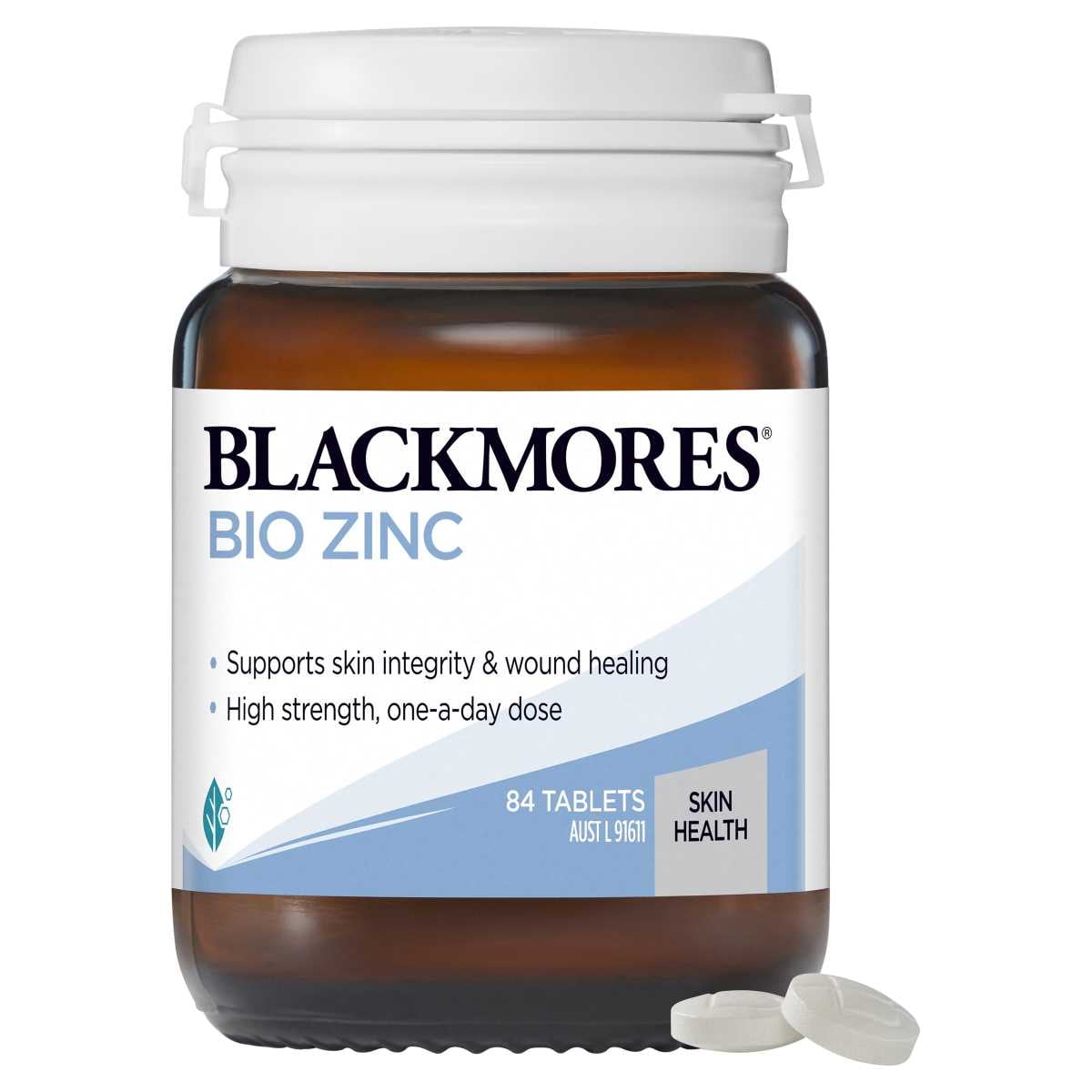
Thorne, Swisse, Blackmores, BioCeuticals, Ethical Nutrients, Herbs of Gold, Nature's Own, Vistra, Mega We Care — product pages and price snapshots cited per row above (date column).
Trusted brands we rate
These 10 brands are featured on every vitfacts.com comparison page. We track them
for ingredient transparency, third-party testing, and Thailand availability.
A heritage naturopathic brand spanning over 90 years, known for rigorous ingredient sourcing and massive pharmacy presence throughout the Asia-Pacific region.
Born in Australia, this brand formulates therapeutic herbal and nutritional supplements with a strict focus on purity, offering many vegan-friendly options.
One of Australia's longest-running and most accessible vitamin brands, providing a massive, budget-friendly range found in most major supermarkets and pharmacies.
A dominant local brand in Thai retail pharmacies (such as Watsons and Boots), highly popular for its acerola cherry, collagen, and beauty-focused supplements.
A leading pharmaceutical-grade supplement brand in Southeast Asia, widely trusted by Thai consumers for its fish oil and targeted clinical nutrition products.
While based in the US, Thorne is heavily imported and highly sought after by functional medicine practitioners globally—including in both Australia and Thailand. It is considered a gold standard due to its strict four-round testing protocol and complete absence of unnecessary fillers or binders.
An Australian-made value brand founded in 2006, sold through Chemist Warehouse and major AU pharmacies. Part of the Nature's Care family (est. 1990), offering a wide mass-market supplement range covering fish oil, vitamins C/D, magnesium, probiotics, zinc, iron, ashwagandha, collagen, and CoQ10.
Why these 10? See the VitFacts editorial policy page (forthcoming) for the criteria — minimum
10 years of documented safety record, public certificate-of-analysis policy, and verifiable
Thailand distribution.